In many industrial organisations, the system says a spare part is available, but the maintenance or operations team cannot find it on site. The warehouse shows stock, the ERP confirms quantity, yet the item is missing from the shelf. This situation is not rare, and it is not a simple operational mistake. It is a structural data problem that grows silently across years of transactions, system migrations, manual inputs, and inconsistent naming conventions.
This gap between system stock and actual availability creates frustration, delays maintenance, increases downtime risk, and drives unnecessary procurement. It also weakens trust in enterprise systems and decision-making processes. For many companies in asset-intensive industries, this is one of the most expensive hidden problems.
The root cause is rarely the warehouse alone. The real source lies in how material data is created, structured, governed, and maintained across systems. When material master data is inconsistent, incomplete, or duplicated, the system becomes unreliable. What looks like an inventory issue is actually a data quality issue.
This is where material cataloguing service becomes a strategic solution rather than a technical activity. It provides the foundation to restore accuracy, transparency, and operational confidence across the supply chain.
The Reality Behind Mismatched Spare Part Availability
Most organisations rely on ERP systems to manage spare parts, inventory, procurement, and maintenance planning. These systems are only as good as the data stored inside them. When material records are created without clear standards, errors slowly accumulate.
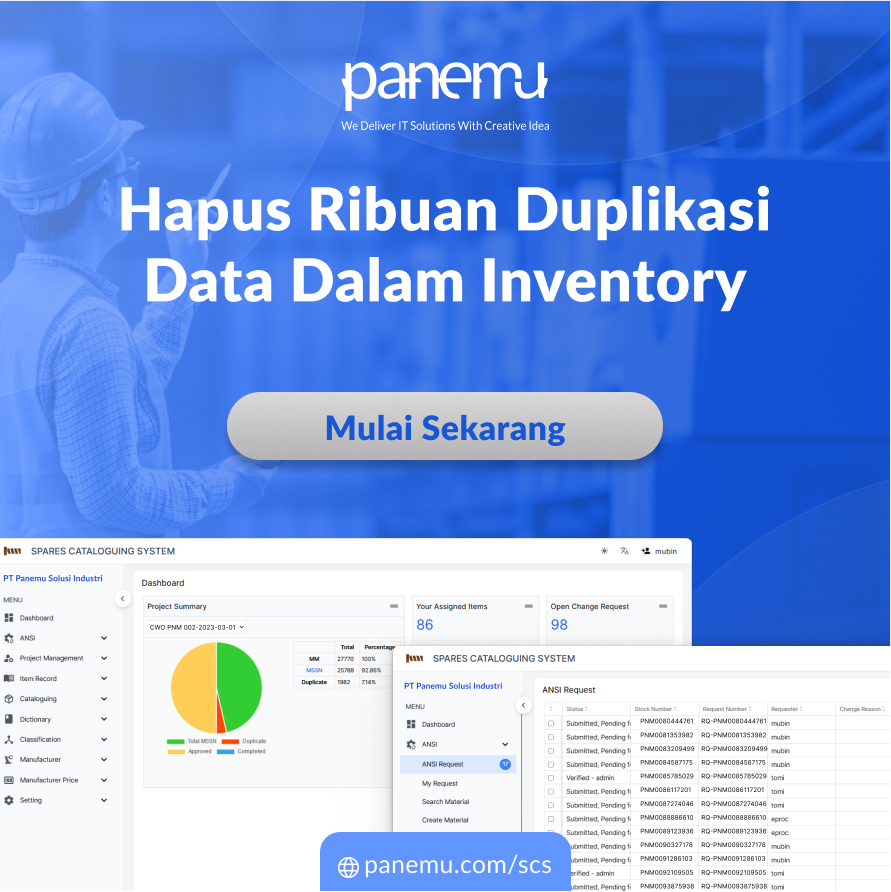
Over time, the same spare part may be recorded multiple times under different descriptions, abbreviations, or language formats. One system may use manufacturer codes, another may use internal naming, while another may rely on free text. The result is duplicate materials that represent the same physical item but appear as separate records.
When warehouse teams receive or issue parts, they may book transactions under one code, while planners search under another. The system may show available stock, but the physical location is linked to a different material number. In the field, the part is simply not found.
This problem becomes more severe when organisations operate across multiple sites, countries, or systems. Mergers, ERP upgrades, and legacy data migrations often bring incompatible material structures into one environment. Without proper cleansing and standardisation, these datasets collide rather than integrate.
Why This Problem Is Often Misdiagnosed
When spare parts cannot be found, the first reaction is often to blame the warehouse, logistics, or inventory counting process. While physical control is important, repeated discrepancies usually indicate a deeper issue.
Many organisations invest in stock taking, cycle counting, and barcode systems, yet the problem persists. This is because the material master itself is flawed. The data does not represent the physical reality accurately.
Procurement teams may reorder items that already exist because they cannot locate them in the system. Maintenance teams may delay work because the system information cannot be trusted. Finance teams may struggle to reconcile inventory value with operational usage.
Without a reliable material master, every department works from a different version of the truth.
How Poor Material Data Structure Creates Hidden Inventory
Material data often grows organically. New records are created when users cannot find existing ones. Descriptions are written in free text, sometimes using local terms, abbreviations, or different languages. Technical attributes are missing or incomplete. Units of measure are inconsistent.
Over time, this creates:
- Duplicate material records
- Inconsistent naming conventions
- Missing technical specifications
- Incorrect classification
- Unclear stock locations
When this happens, the system may show availability under one code, while the warehouse stores the part under another. The stock exists, but it is hidden inside the system.
This is known as ghost inventory. It increases carrying costs, ties up working capital, and reduces operational efficiency.
The Business Impact of Data-Driven Inventory Gaps
The difference between system stock and actual stock is not only a data problem. It directly affects business performance.
Unplanned downtime becomes more frequent because required parts are not available when needed. Emergency procurement increases because teams lose confidence in system data. Excess inventory grows because existing stock cannot be identified. Capital is locked in unused materials.
At the same time, safety risks increase when maintenance is delayed. Compliance reporting becomes difficult when asset records are inaccurate. Strategic planning is weakened because data cannot be trusted.
For leadership teams, this creates uncertainty in operational decisions. For frontline teams, it creates daily frustration.
Material Cataloguing Service as a Foundation for Data Accuracy
Material cataloguing service focuses on creating a clean, structured, and standardised material master. It ensures that every item is described consistently, classified correctly, and linked to accurate technical attributes.
This is not about changing systems. It is about improving the quality of the data inside them.
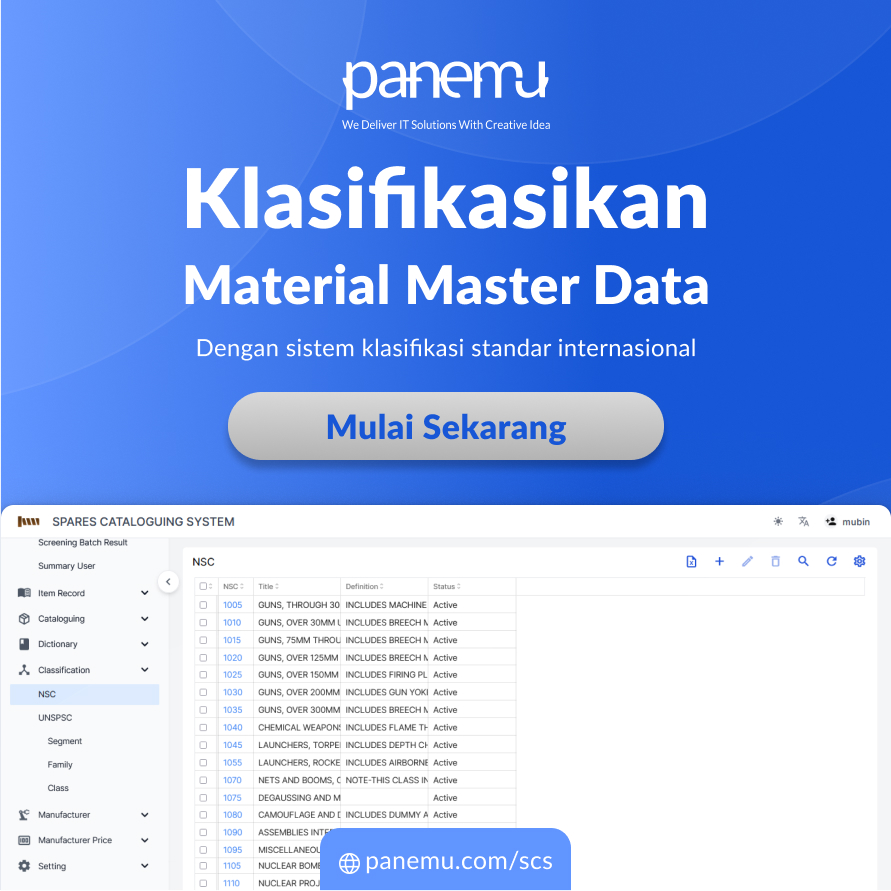
Through proper cataloguing, duplicate materials are identified and merged. Descriptions follow a clear naming standard. Technical fields are populated. Units of measure are standardised. Classification codes align with international standards.
When this structure is in place, the system reflects the physical reality more accurately.
How Standardised Material Data Improves System Reliability
With standardised material data, users can search and identify items easily. The same spare part no longer appears under multiple names. Stock levels are visible in one place. Location data is reliable.
Procurement teams can see existing inventory before creating new purchase orders. Maintenance teams can trust system availability. Warehouse teams can manage stock more efficiently. Finance teams can reconcile inventory values with confidence.
The ERP system becomes a trusted operational tool rather than a reporting database.
The Role of Data Governance in Sustaining Accuracy
Material cataloguing is not a one-time activity. Without governance, the same issues will return.
A strong data governance framework ensures that new materials follow the same standards. Approval workflows, validation rules, and periodic audits keep the data clean. Clear ownership and accountability prevent uncontrolled data creation.
This long-term approach protects the investment in data quality and keeps systems aligned with reality.
Supporting Digital Transformation and ERP Performance
Many organisations invest heavily in ERP, EAM, and digital transformation initiatives. However, poor master data limits the return on these investments.
Advanced analytics, predictive maintenance, and supply chain optimisation all depend on accurate material data. Without it, automation produces unreliable results.
Material cataloguing service provides the foundation for digital maturity. It enables systems to work together, improves data integration, and supports future technologies.
Why This Matters Across All Enterprise Industries
Whether in mining, oil and gas, energy, or manufacturing, asset-intensive organisations face similar challenges. Complex equipment, large spare part volumes, and distributed operations increase the risk of data inconsistency.
Although each industry has unique processes, the impact of poor material data is the same: operational inefficiency, higher costs, and increased risk.
A structured, standardised material master creates stability across functions and locations.
How Panemu Supports Material Data Transformation
Panemu understands that material cataloguing is not only a technical task. It is a business-critical initiative that connects operations, supply chain, IT, and asset management.
Panemu’s material cataloguing service focuses on:
- Data cleansing and duplicate identification
- Standardised naming and classification
- Technical attribute enrichment
- Alignment with ERP and EAM structures
- Governance framework design
This approach ensures that the material master becomes a reliable source of truth.

Building Confidence Through Data Integrity
When system data matches the reality in the field, confidence returns. Teams trust the system. Decisions are made faster. Operations become more predictable.
This is not about perfection. It is about creating a stable, transparent data foundation that supports daily work and long-term strategy.
Moving Forward With the Right Partner
The gap between recorded stock and actual availability is not a small operational issue. It is a signal that the data foundation needs attention.
With the right material cataloguing strategy, this gap can be closed. Systems can reflect reality. Inventory can be optimised. Operations can run with clarity.
Panemu is ready to support organisations that want to turn their material data into a strategic asset. If your teams still struggle to find parts that the system says are available, it may be time to look deeper into the structure behind the data.
Connecting with Panemu is the first step toward building a reliable, trusted material master that supports growth, efficiency, and operational confidence across your enterprise.